
Celebrating Black History Month in Acworth
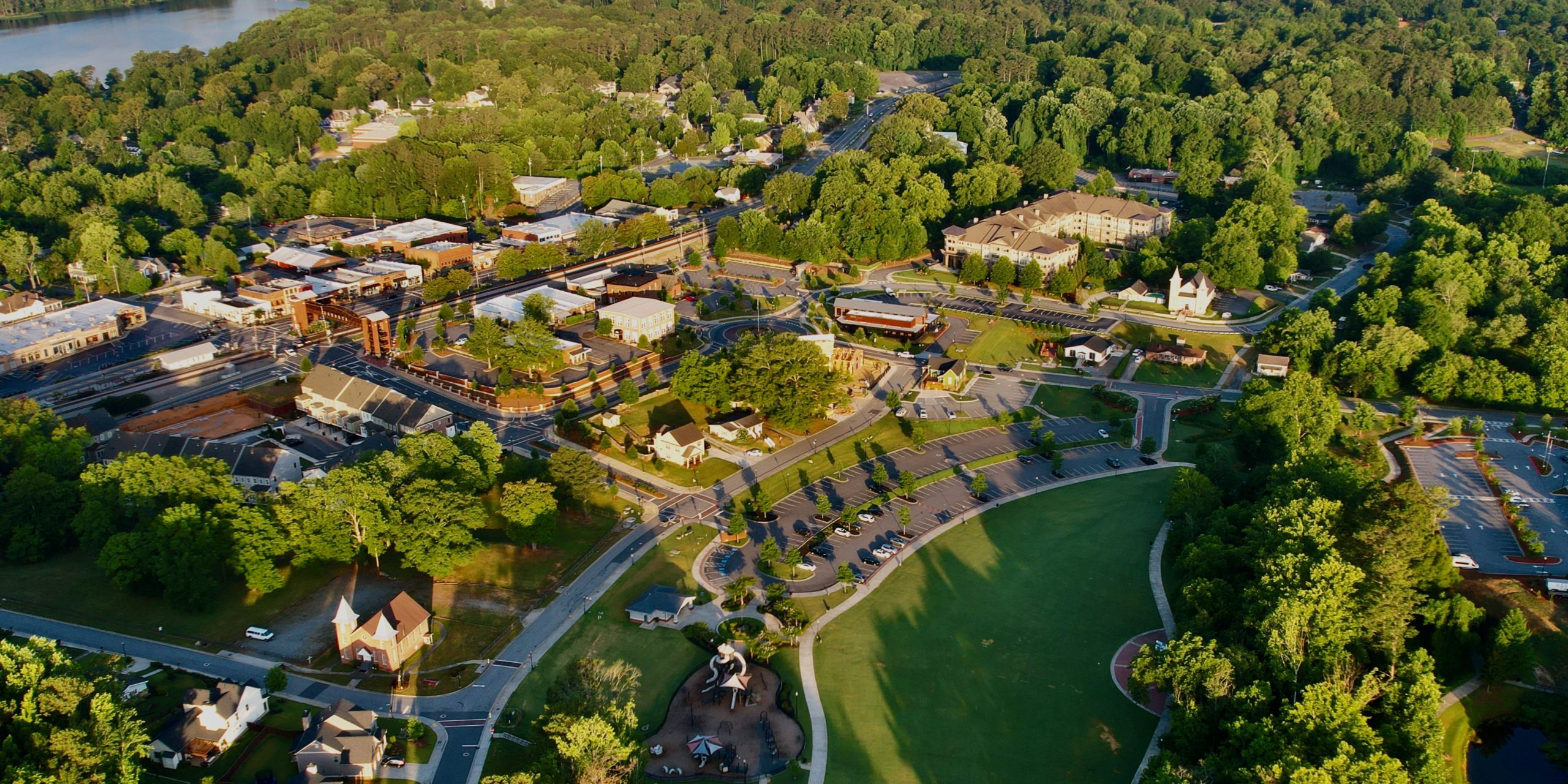
The City of Acworth’s Downtown Parkside District proudly reflects generations of rich Black history. From residential homes and churches to local schools and gathering spaces rooted in the strength of a connected community, these historic landmarks tell stories of leadership, perseverance, and pride. Here, we’re highlighting the places and people that were instrumental in shaping the exceptional quality of life the Acworth community knows today.
The Rosenwald School, now located in Doyal Hill Park, was constructed on School Street in 1924. Rosenwald Schools were part of a partnership between Julius Rosenwald (Sears Roebuck and Co.) and Booker T. Washington that brought schoolhouses to children in Black communities throughout the segregated South in the early 1900s. Acworth’s Black community contributed $700 towards the cost of the school. Rosenwald matched the $700, and the Cobb County Board of Education provided a further $1,850.
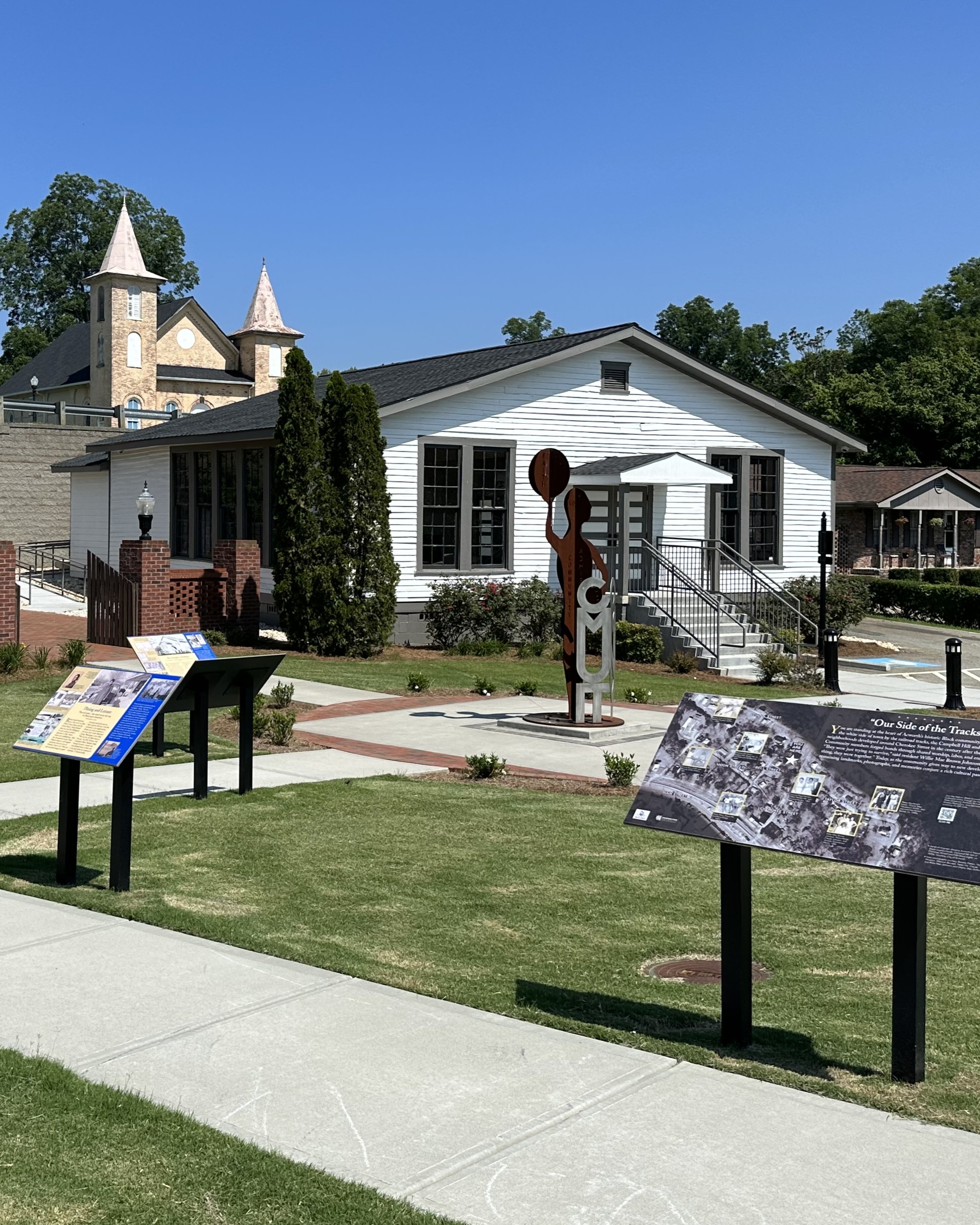
The school building was slated for demolition by the Cobb County Board of Education in 1948. In 1953, the “Community House”, as it was known to residents, was rebuilt on Cherokee Street where it stands today. It was reassembled backward with some alterations to the height and roof of the building. Its first major renovation since its move was completed in 2023. The Acworth Rosenwald School is used as a community center and has served as a vital part of the Parkside District in this capacity to this day.
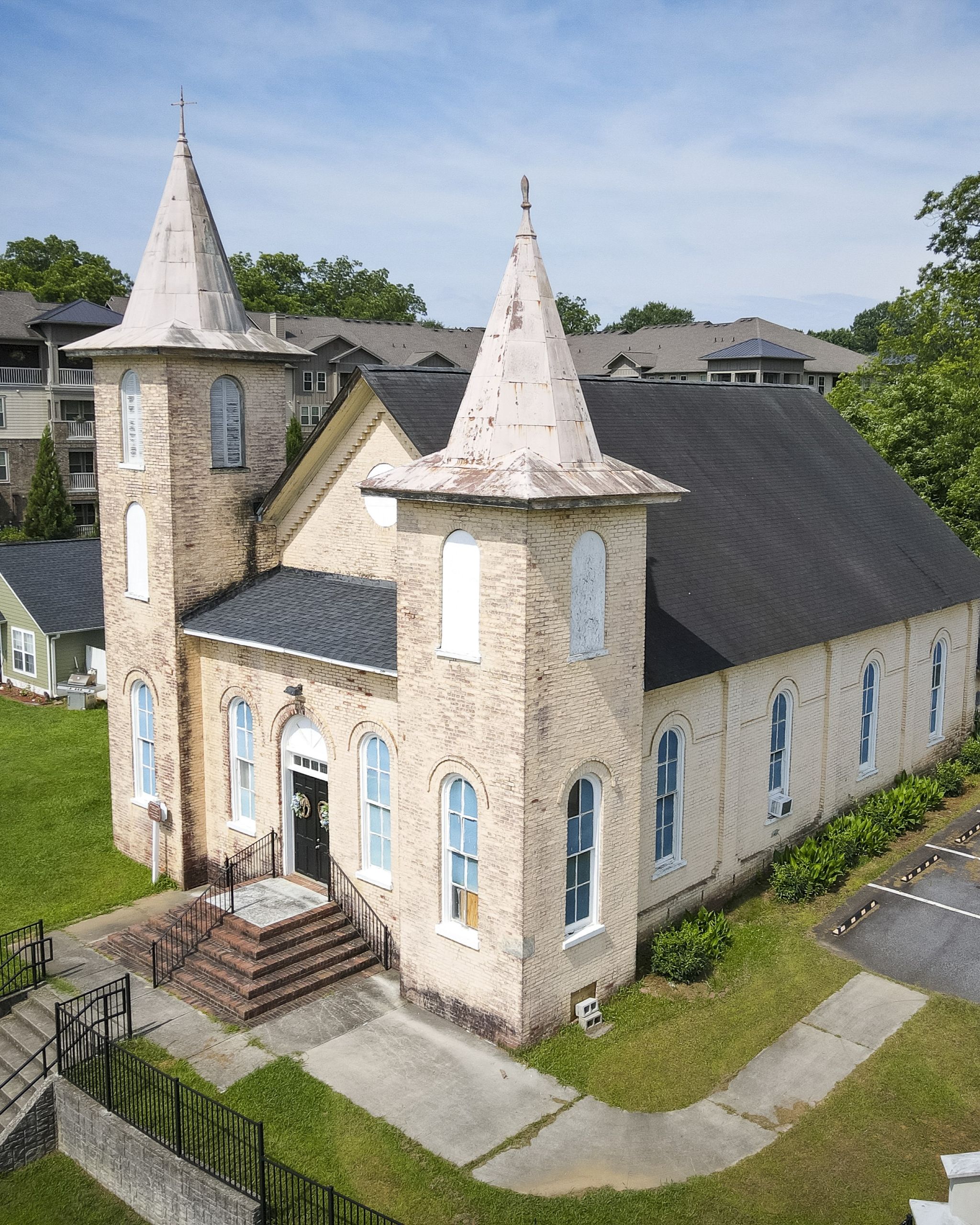
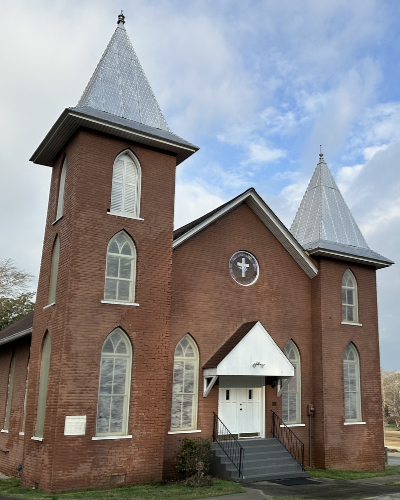
Overlooking Acworth's Parkside District on School Street, is Bethel A.M.E Church. Bethel A.M.E's congregation began in 1863, and its current location on School Street was built around 1878 by freed slaves, making it one of the first forms of a social institution built by and for the Black community. The bell tower was added in 1895, and Bethel A.M.E. shared its location with Zion Hill Baptist Church's congregation for many years alternating Sundays.
This church and its congregation are part of the foundation that African-American history and community in Acworth were built on. Bethel AME Church was designated as a Local Historic Landmark in October 1998, making it the first church in the City to be designated as a Historic Landmark. Bethel was also placed on the US Department of Interior National Register of Historic Places in 2002.
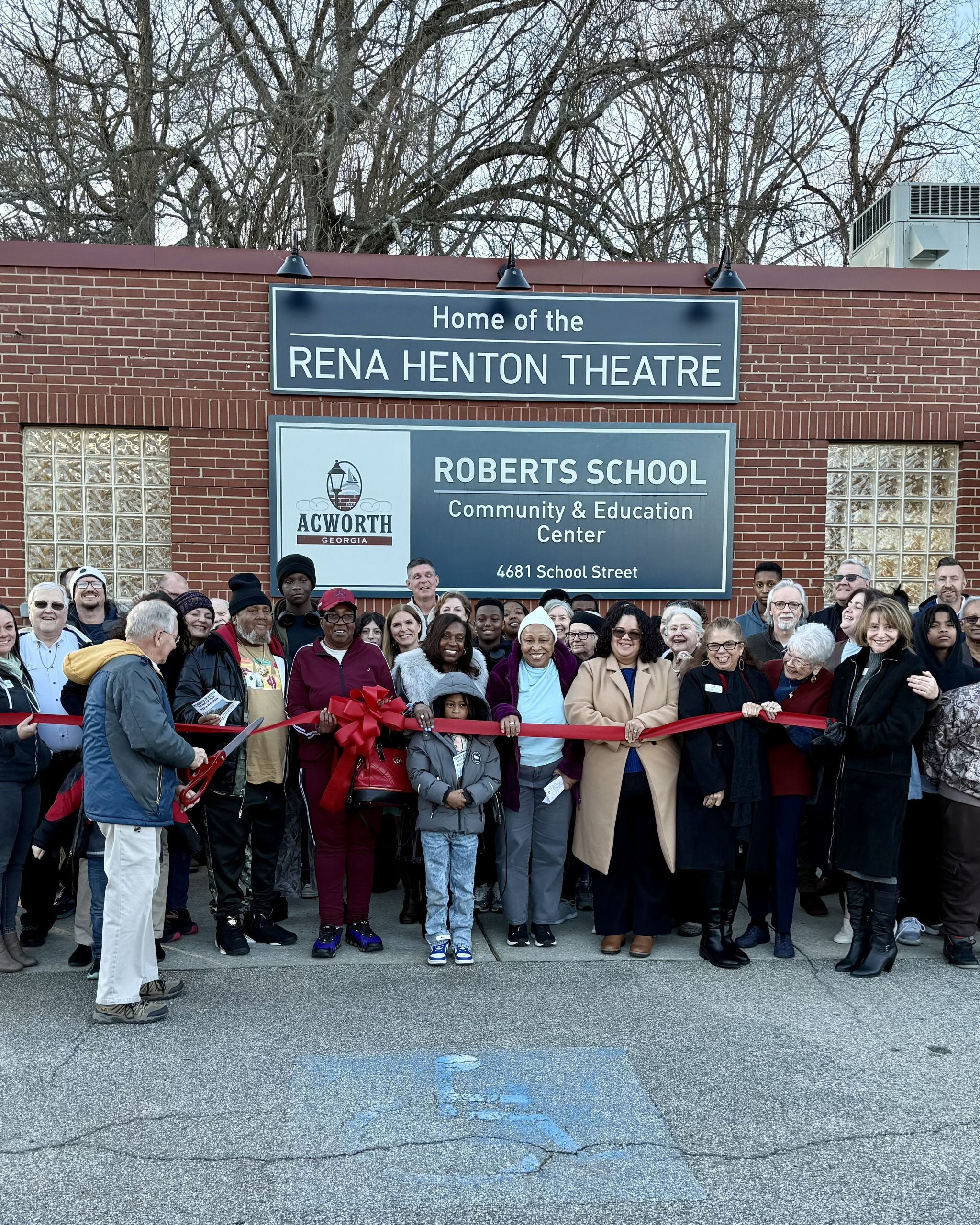
The Roberts School was constructed in the late 1940s on the site of the original location of the Acworth Rosenwald School. The Roberts School served as a segregated school for Acworth’s Black community until 1968 when integration moved students to Acworth Elementary and Awtrey Middle Schools. Today, the Roberts School serves as a community center allowing rentals of the cafeteria space, and is also the location of Acworth Parks, Recreation and Community Resource Departments’ after-school program, the Acworth Achievers and the Acworth Cultural Arts Center’s Rena Henton Theatre.
The newly unveiled black box theater was named after beloved Acworth resident, Rena Henton, who lived in her home on Cherokee Street for over 70 years before it was tragically destroyed by fire in 1988. Remembered as a familiar and caring presence to so many in the community, her story, resilience, and lasting impact on the quality of life in Acworth will be remembered for generations to come.
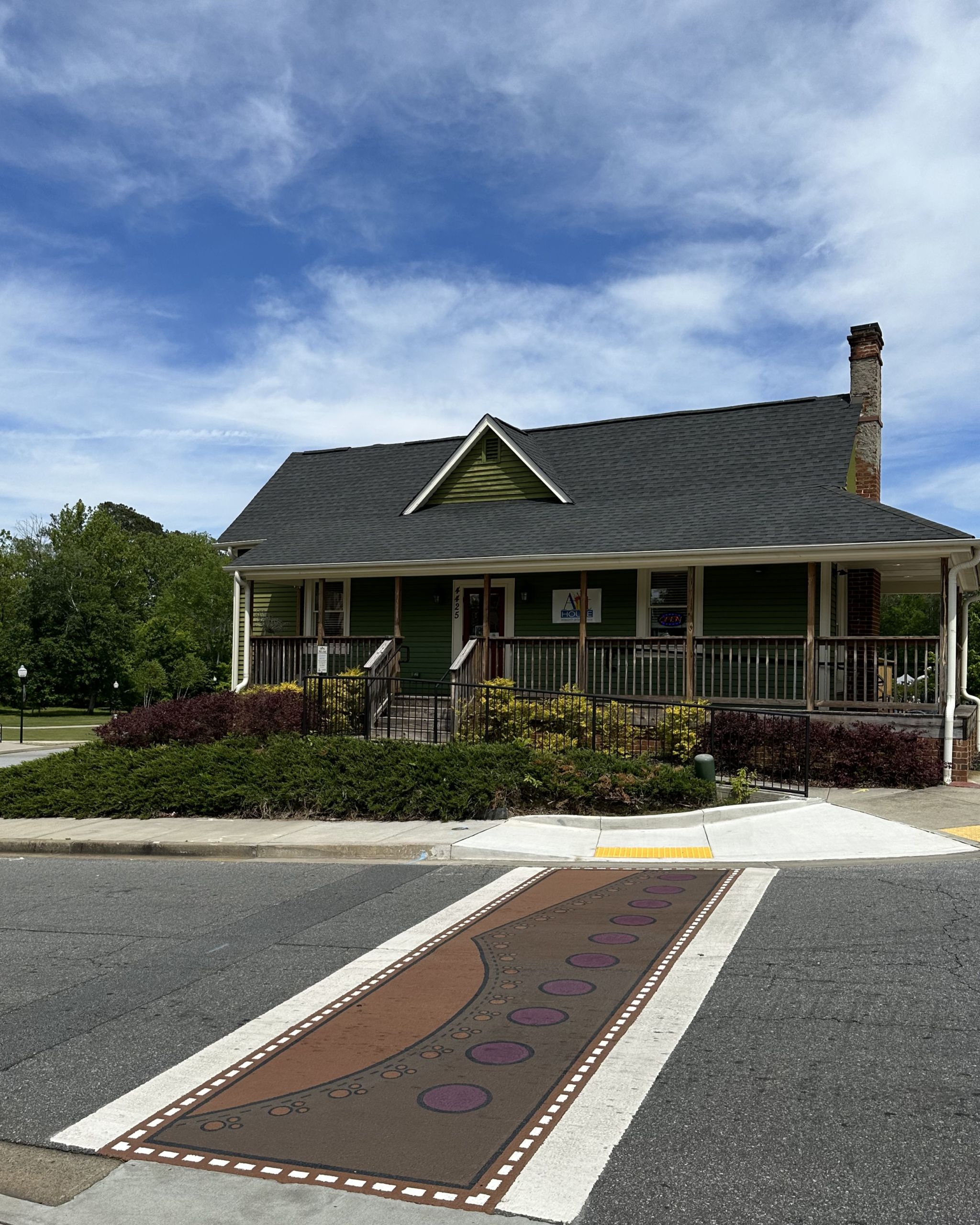
The McConnell house is thought to have been built circa 1902. The original owner, Jeff McConnell did not have a formal education, but was able to read and write, and managed several businesses in the Acworth area. Mr. McConnell is believed to have been the first African American business owner in Acworth, running a shoe repair business in the basement of the residence.
A fire swept the front rooms of the house in 1980, and the home was repaired and continued as a residence in the McConnell family with the help of a Community Development Block Grant until the passing of his daughter, Ella McConnell Payton in 1982. The city of Acworth purchased the house in 2016 and completed renovations in 2017.
Today, it’s the home of the Acworth Arts Alliance, a nonprofit organization promoting and supporting the advancement of art and artistic education in the greater Acworth community.
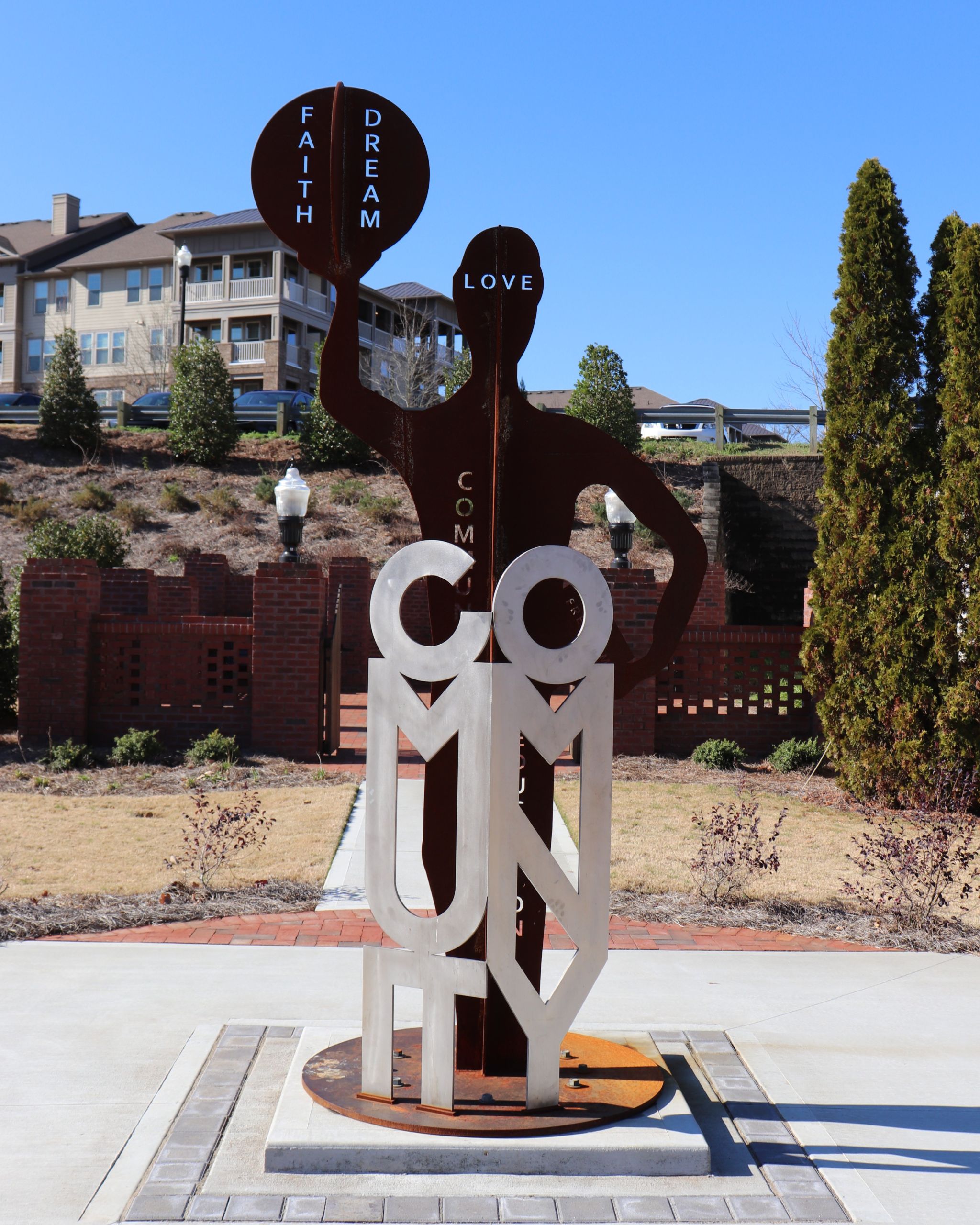
Named for Acworth's first Black Alderman, the late Doyal Hill, this park comes from the vision and tireless efforts of current Acworth Alderman, Tim Houston, Hill's half-brother, and the Acworth City team. Doyal Hill was known as "The Bridge," a nickname earned when he was a member of the US traveling gospel group, the Southern Echoes. This nickname took on a greater meaning through Hill's dedication to connecting all of Acworth's diverse communities.
Funded by a Federal Community Development Block Grant and a land donation from the city, officials teamed up with Kennesaw State University staff who researched property records, local archives, collected more than 400 photos for the archive, and interviewed more than 65 current or former residents to write, design and create the series of interpretative signs at the park. "Our Side of the Tracks" recounts the vibrant Black community separated by railroad tracks from the White community and formed around the Campbell Hill and Fifth Ward neighborhoods after the Civil War. Today, everyone can enjoy all the wonderful features of this community while learning and understanding its valuable place in Acworth's history.
Overlooking the opposite end of Acworth's Parkside District on Taylor Street is Zion Hill Baptist Church. Zion Hill Baptist Church began its congregation in 1864 and was also founded by freed slaves.
Zion Hill shared sanctuary with Bethel A.M.E. Church for years, alternating Sundays until they were able to move to a new church home on Southside Drive. In 1914, Zion Hill Missionary Baptist Church moved into its current location on Taylor Street and has served its congregation there ever since, serving as a beacon of community, reminding the city of its rich African American history and culture.
The City of Acworth celebrates Black History by honoring the people, places, and legacies that continue to enrich our community and strengthen quality of life for our residents, business owners, and visitors alike. By preserving and sharing these stories, we not only honor the past but also strengthen the future for generations to come.
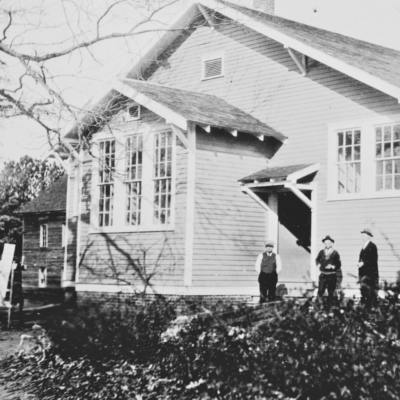
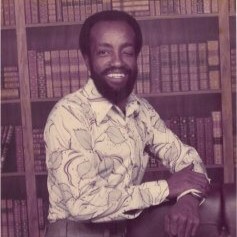
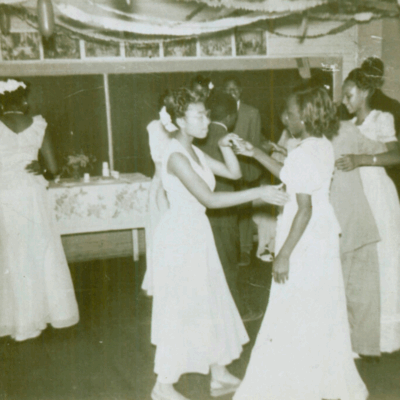
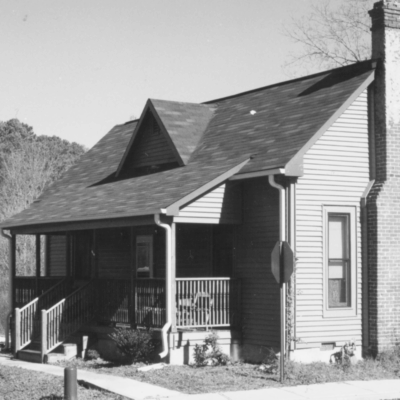
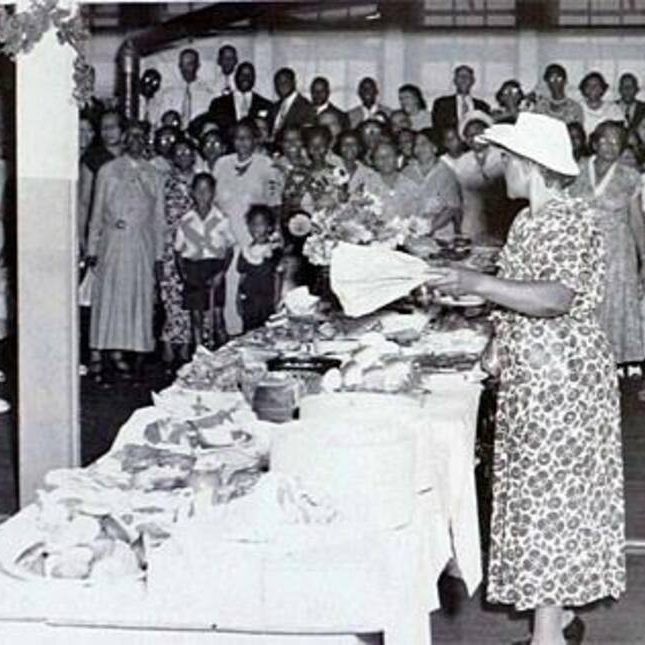
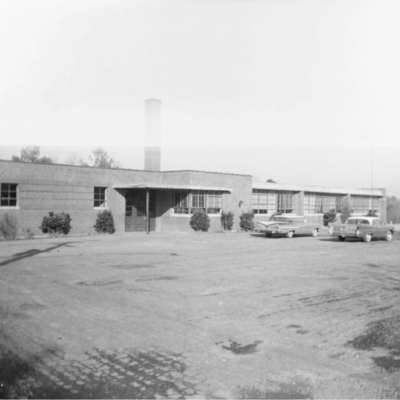
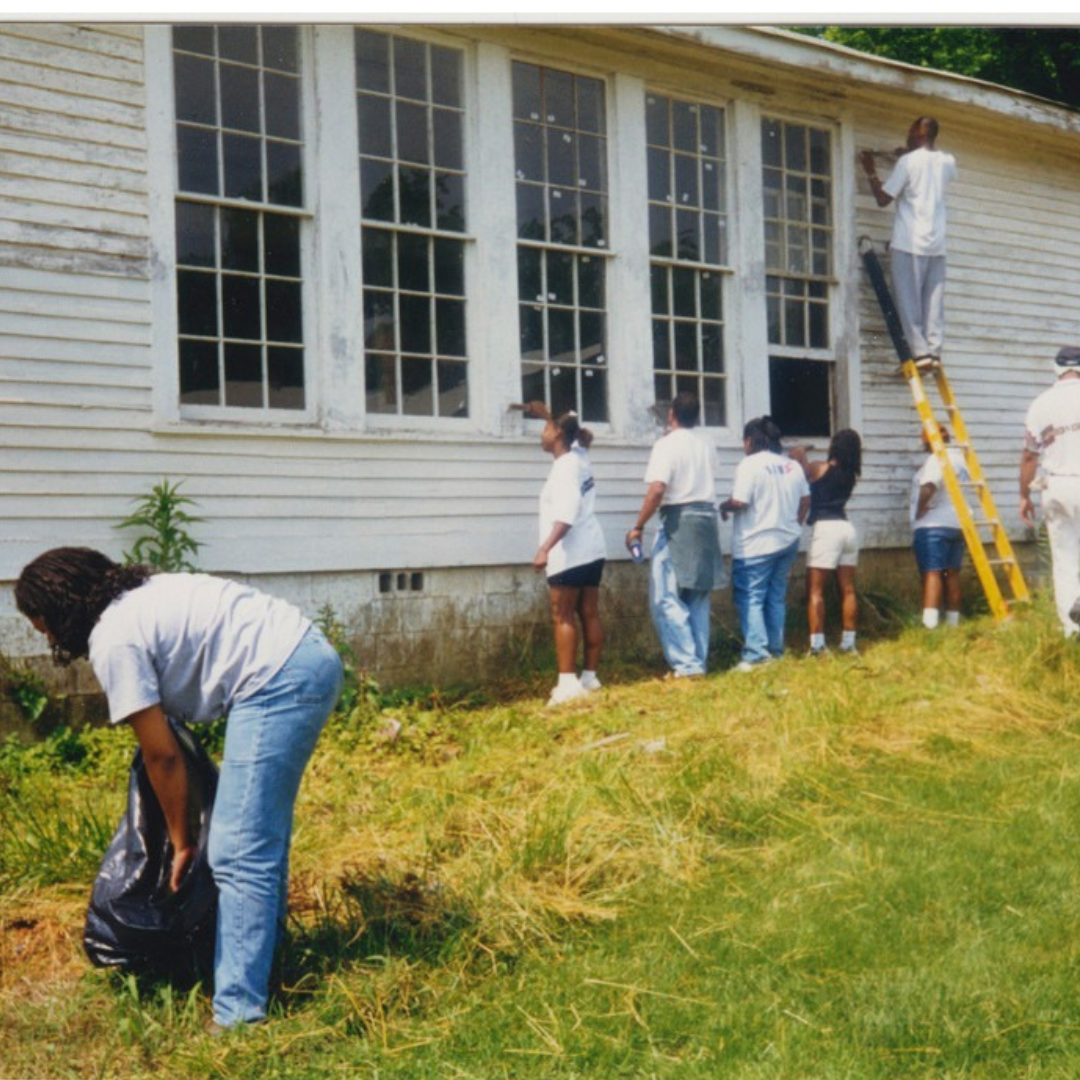
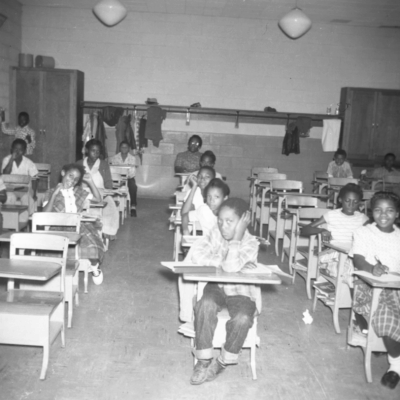
Pictured above, in order from left to right: The Rosenwald School circa 1924-25, Doyal Hill circa 1970s, Dance at the Rosenwald School circa 1950s, The McConnell House before renovations, Family social at the Rosenwald School, The Roberts School, Volunteer workday at the Rosenwald School circa 2000s, Roberts School classroom.