
Acworth’s Stormwater Stewardship
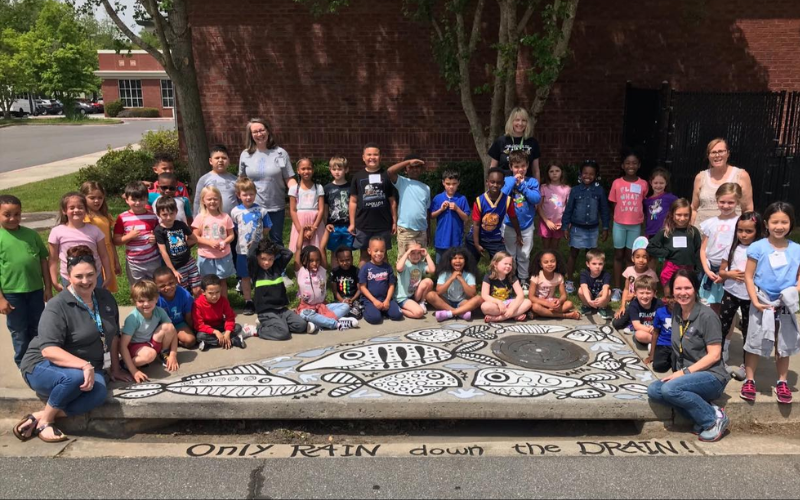
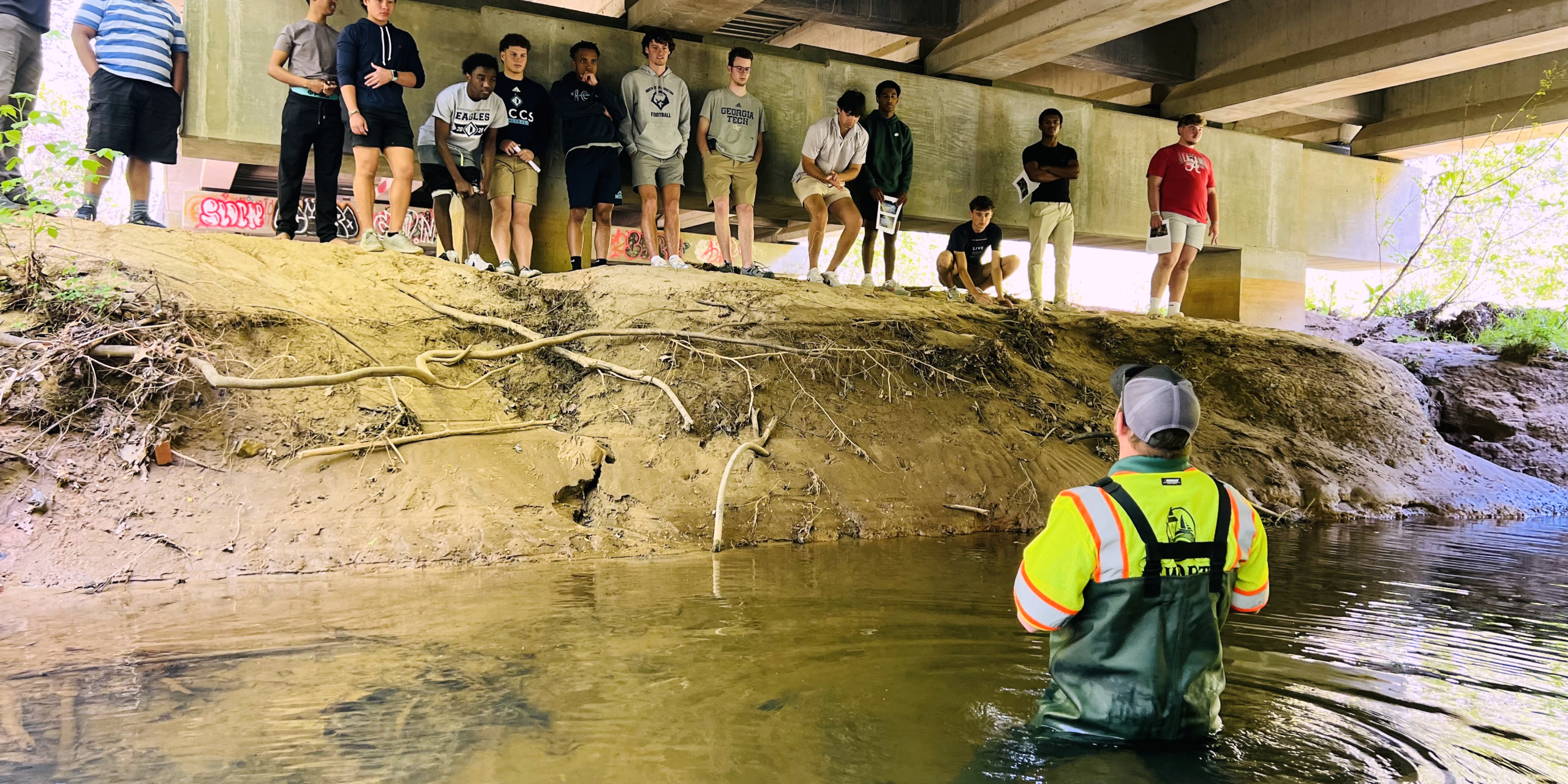
Meet the City of Acworth Stormwater team! Part of the Acworth Power and Public Works department, this team is dedicated to maintaining safe waterways. On top of ensuring our lakes and streams are clean, the team works tirelessly throughout the year to educate the public. From visiting with local students to consistently sharing transparent and informative social media posts, the team goes above and beyond to keep the community updated on the essential work they do to maintain quality of life for our community. We caught up with our Stormwater Division Manager, Travis Tallent, to learn more!
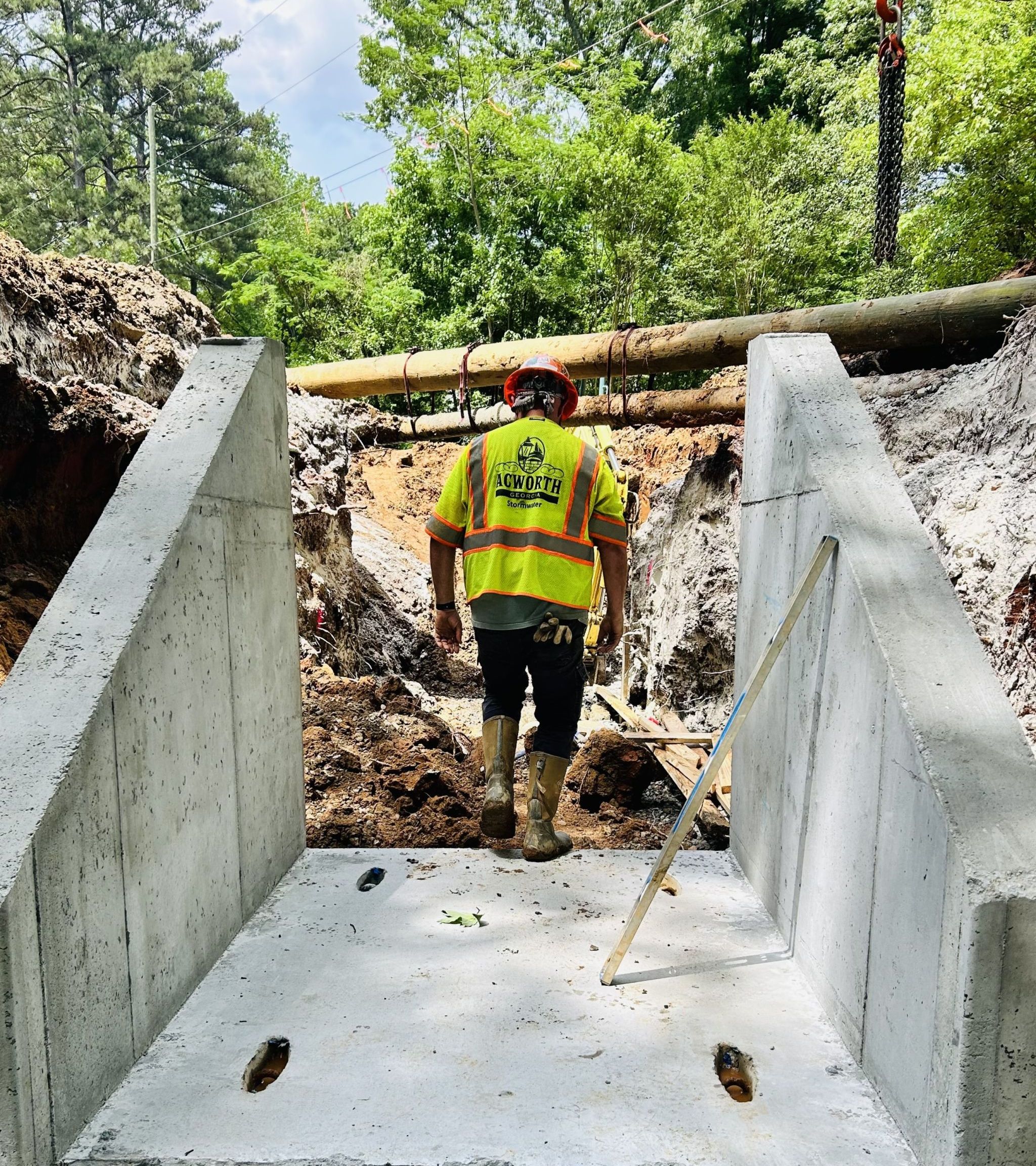
Can you explain what stormwater is and why stormwater control is so important?
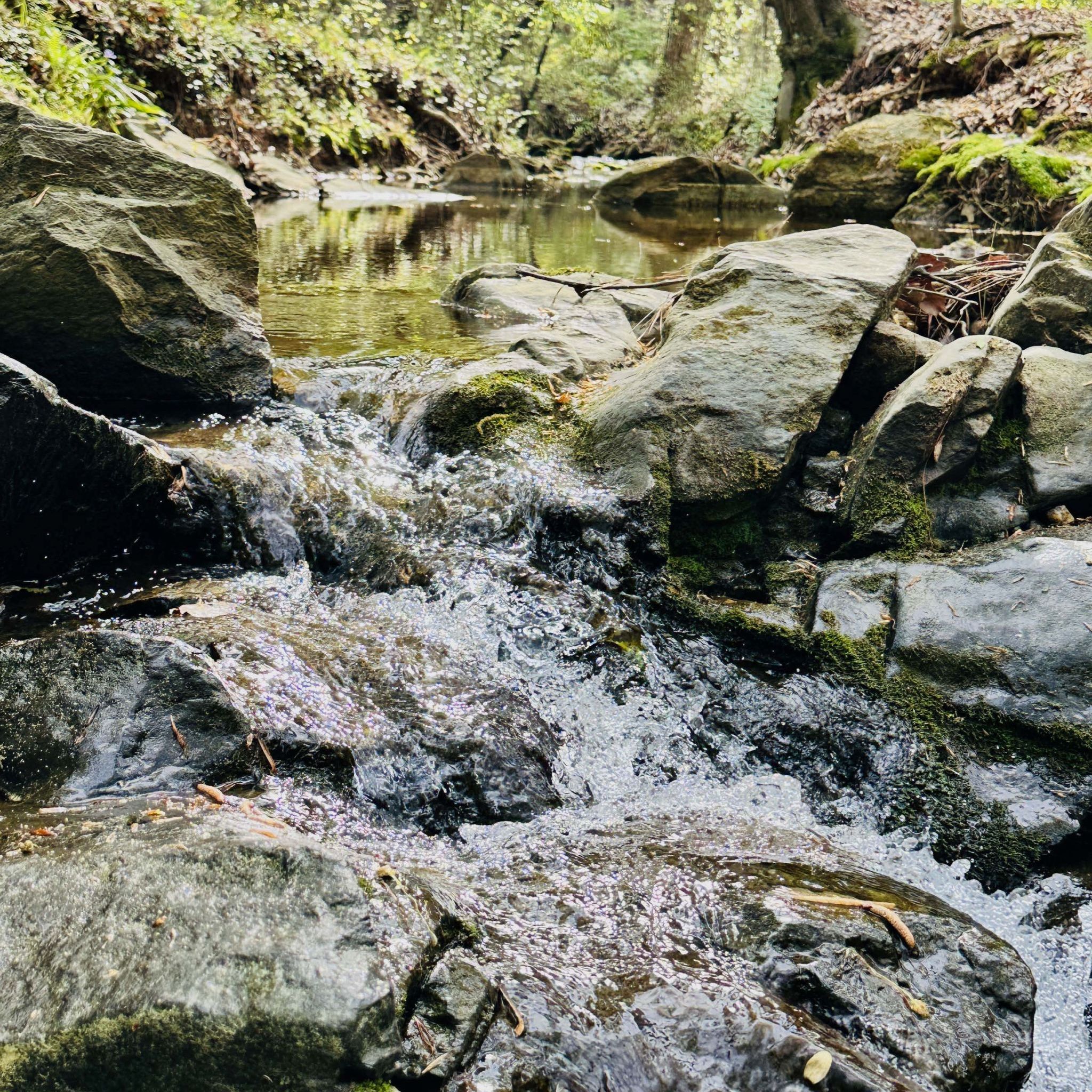
Stormwater is rainwater or melted snow that flows over land surfaces and doesn’t soak into the ground. It often runs off into streets, drains, rivers, or lakes, potentially carrying pollutants with it. Stormwater control is important because it prevents flooding, reduces pollution, and protects water quality in rivers, lakes, and oceans.
Not to be confused with sewer drains, stormwater drains carry rainwater and runoff directly to nearby water bodies without treatment. Sewer drains carry wastewater from homes and businesses to treatment plants for cleaning before release.
Our Stormwater Division is relatively new. Can you tell us more about why it was created?
The Acworth Stormwater Division was created to address increasing concerns about flooding, erosion, and water pollution due to urban growth. It became part of the Power and Public Works Department to manage stormwater infrastructure and meet environmental regulations.
Since its formation, the division has already saved the city millions of dollars by completing most projects in-house, and it’s expected to save even more in the future through efficient, cost-effective operations.
Tell us about the first substantial stormwater project this year.
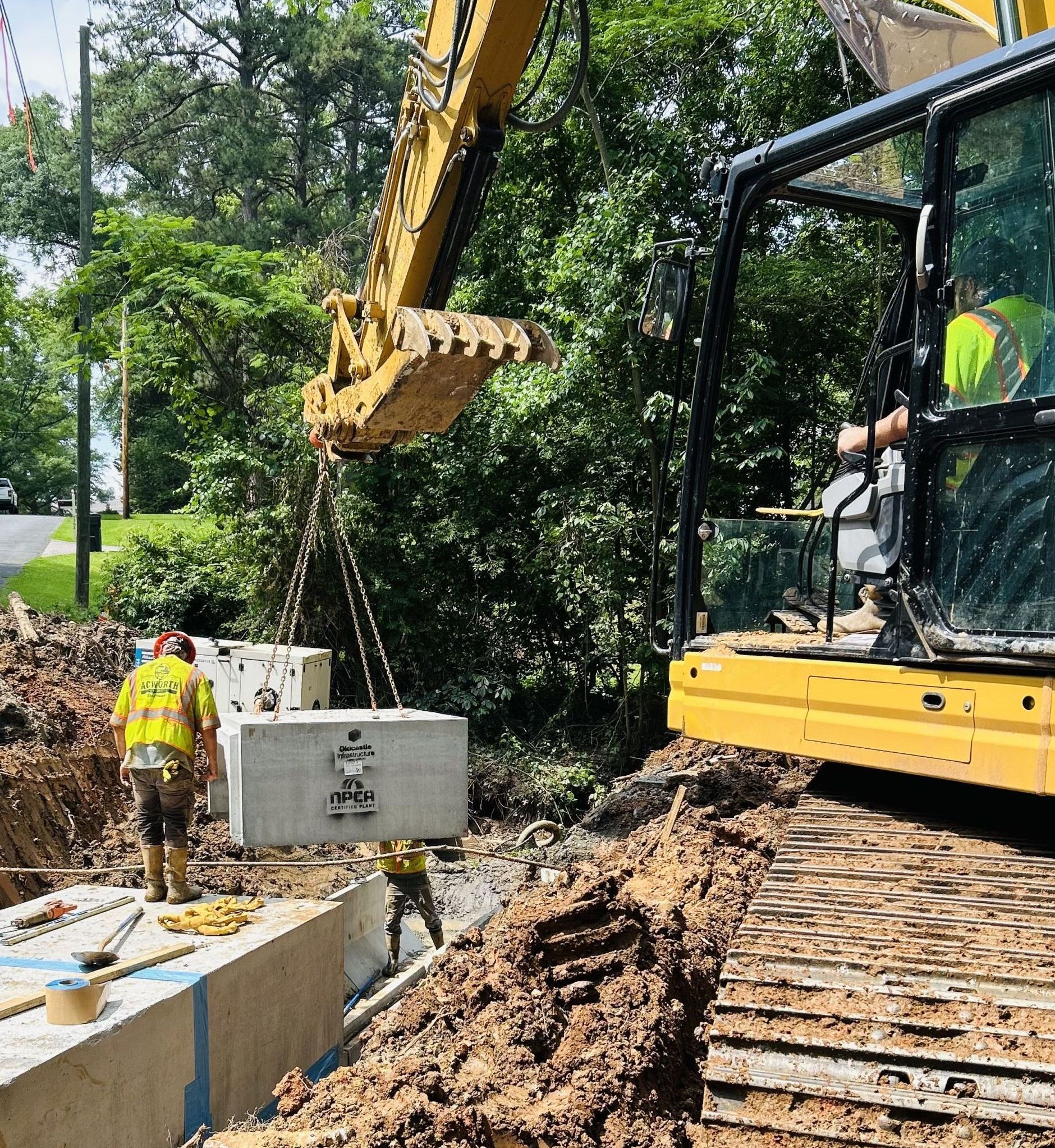
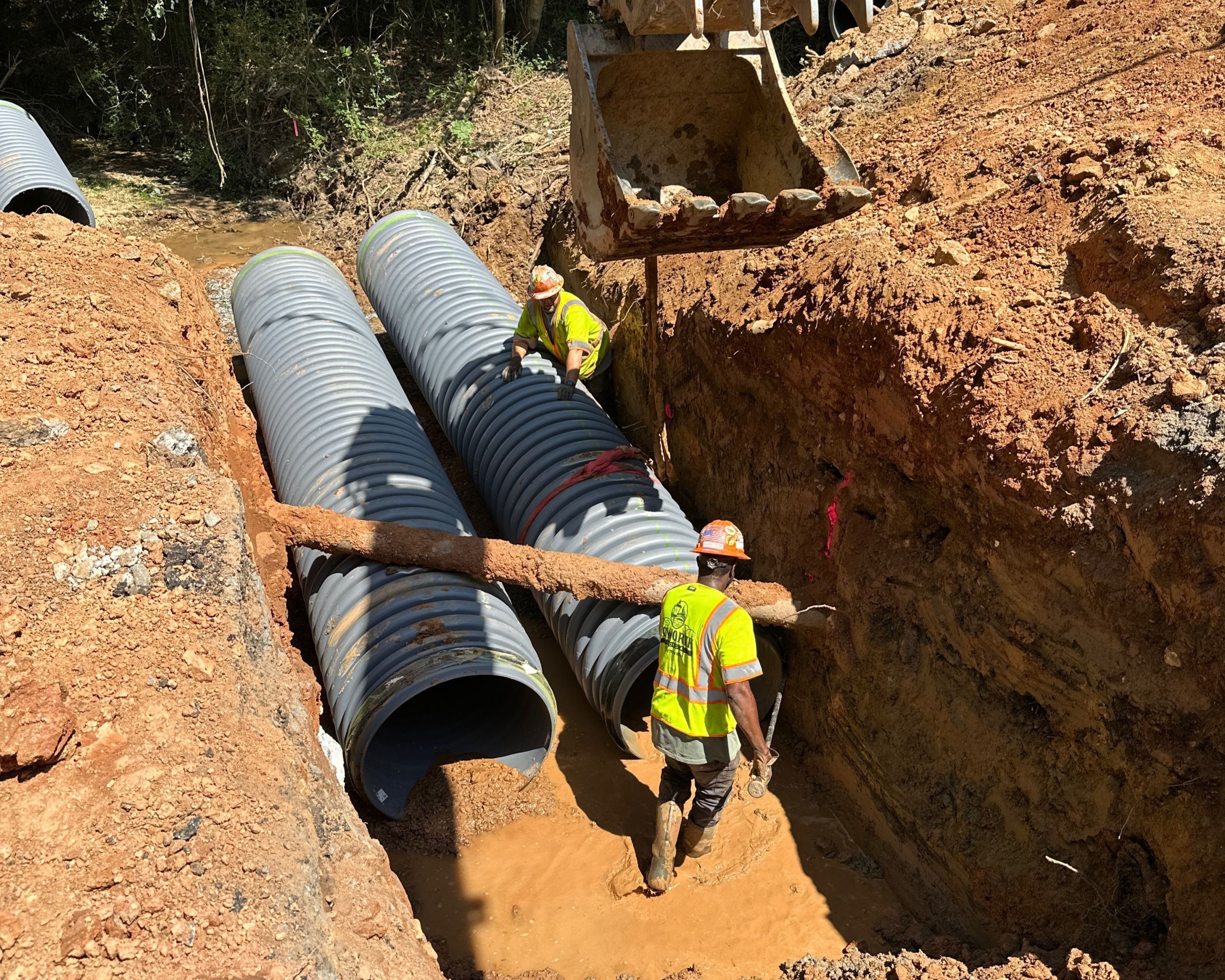
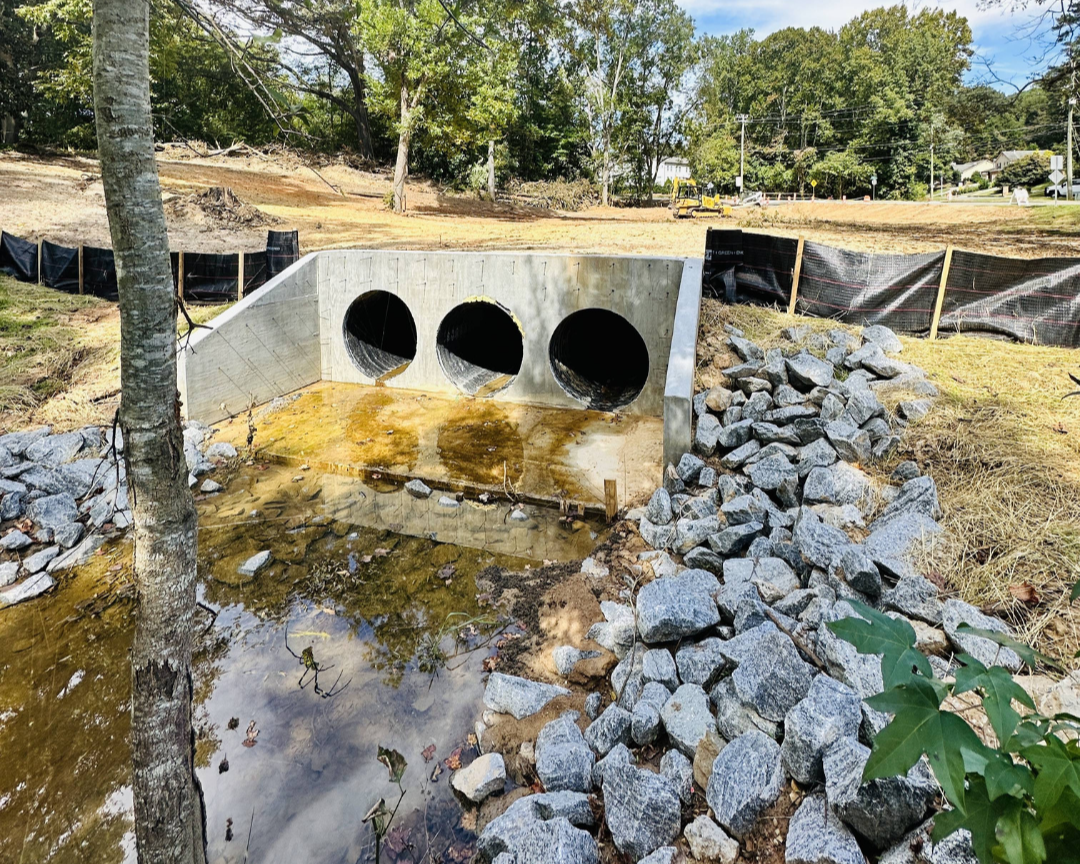
The Worth Street Stormwater Project in Acworth was the first major project. It was part of the city’s effort to upgrade aging infrastructure and reduce flooding risks in residential areas. The project focused on improving drainage systems to handle heavy rainfall more effectively and prevent erosion. By completing the work in-house, the Stormwater Division helped the city save significant costs while enhancing public safety and protecting nearby waterways.
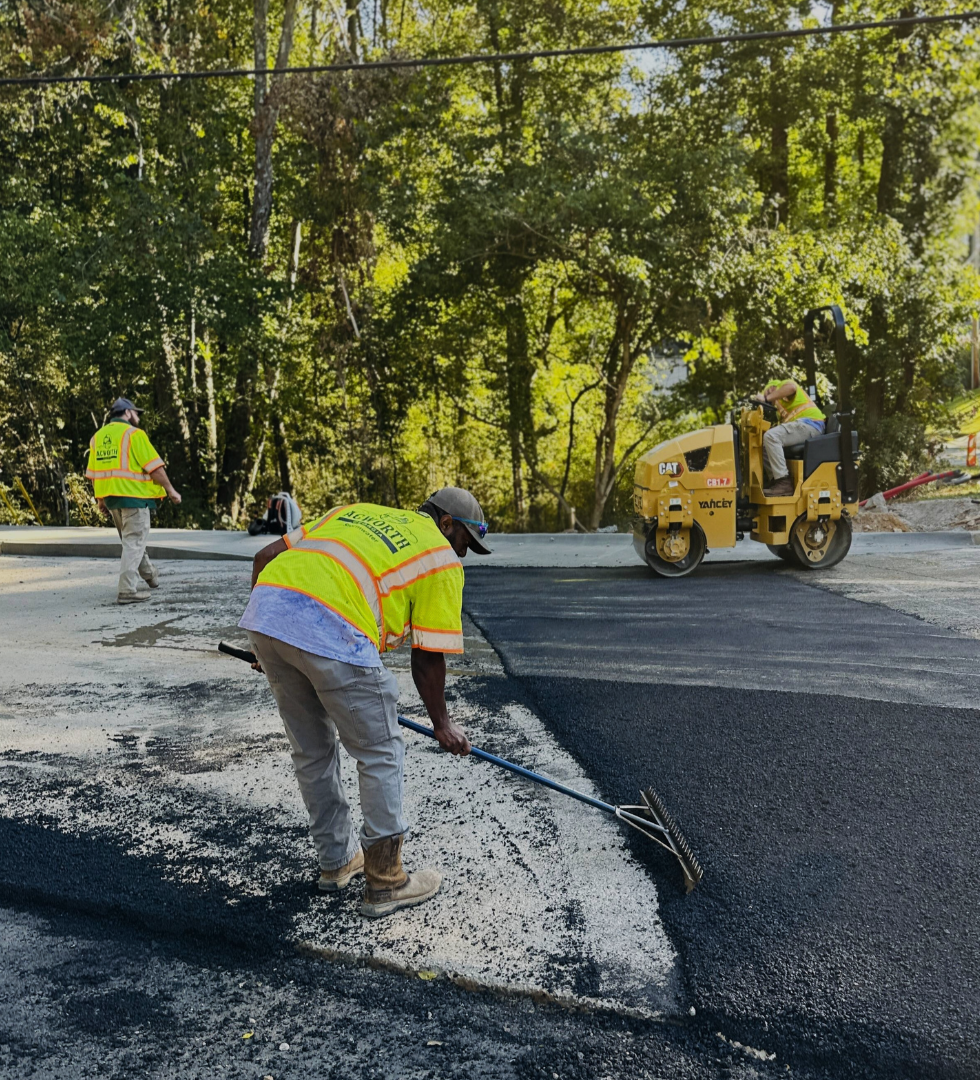
We recently saw the Stormwater Team on Cherokee Street working on the site of the future downtown hotel. What were you all up to?
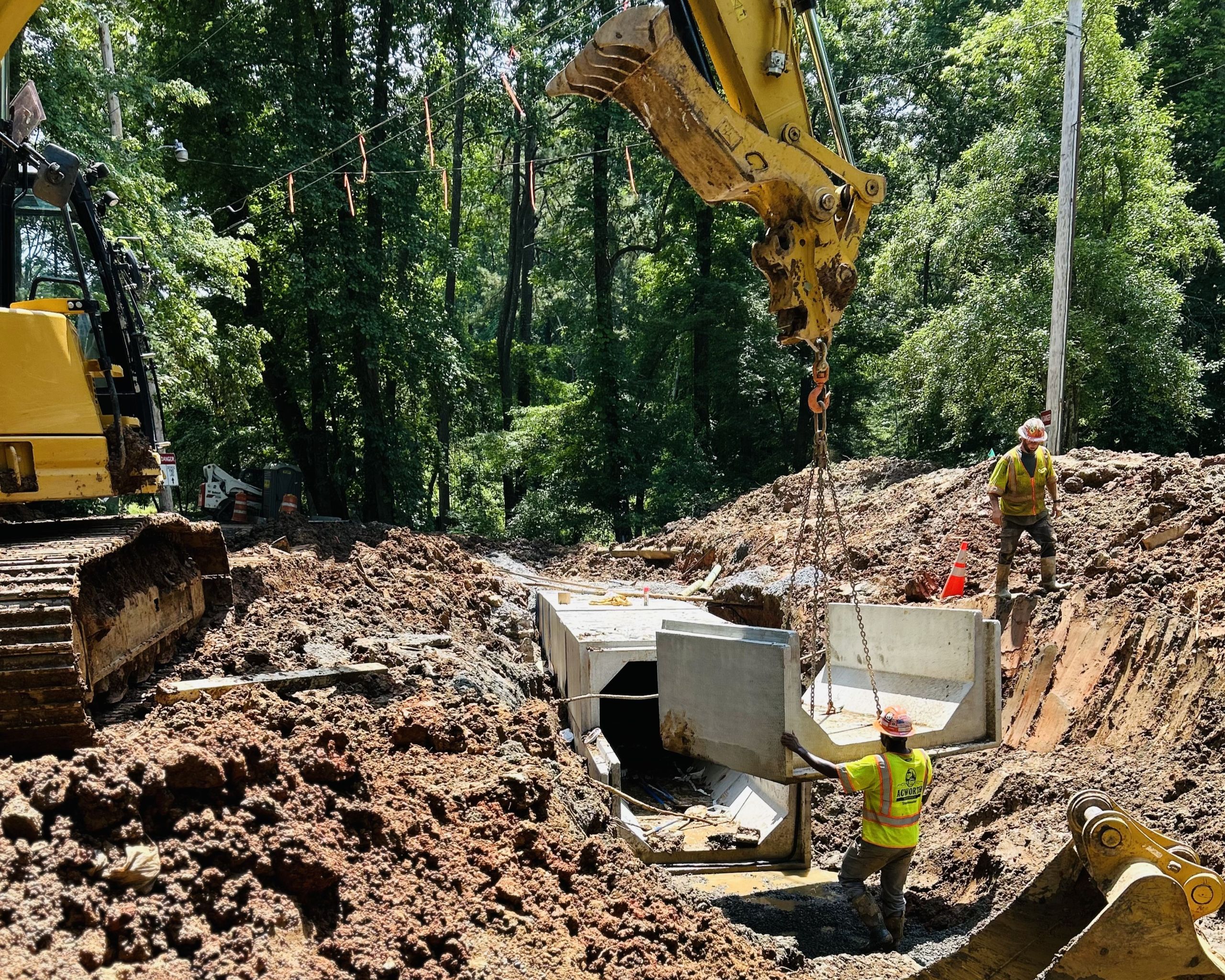
The Cherokee Street Stormwater Improvement Project was one of the largest and most impactful infrastructure upgrades completed by the City of Acworth’s Stormwater Division. Designed to protect homes and businesses from flooding, the project included major drainage system upgrades, roadway safety improvements, and environmental enhancements for local waterways.
What makes this project especially notable, is that it was completed entirely in-house, saving the city over 1 million in taxpayer dollars. This effort reflects Acworth’s commitment to smart growth, environmental stewardship, and long-term infrastructure resilience.
What can our community do to help keep Acworth’s creeks, streams, and beautiful lakes healthy and safe?
To help keep Acworth's creeks, streams, and lakes healthy the community can:
- Avoid littering and properly dispose of trash.
- Pick up pet waste to prevent bacteria from entering waterways.
- Limit fertilizer and pesticide use, especially near storm drains.
- Never dump anything down storm drains as they flow directly to natural water bodies.
- Maintain vehicles to prevent oil and fluid leaks.
- Join clean-up events or volunteer with local environmental groups.